

Orwell and Suffolk History
Since moving down to Suffolk, I’ve been researching the local area and it seems a lot of things are connected to the river Orwell. The town of Ipswich is situated on the side of the river, this would have made it convenient for traders to bring in goods from around Europe. And this seems to have continued into modern day as there is both a Lidl and an Aldi in the town.
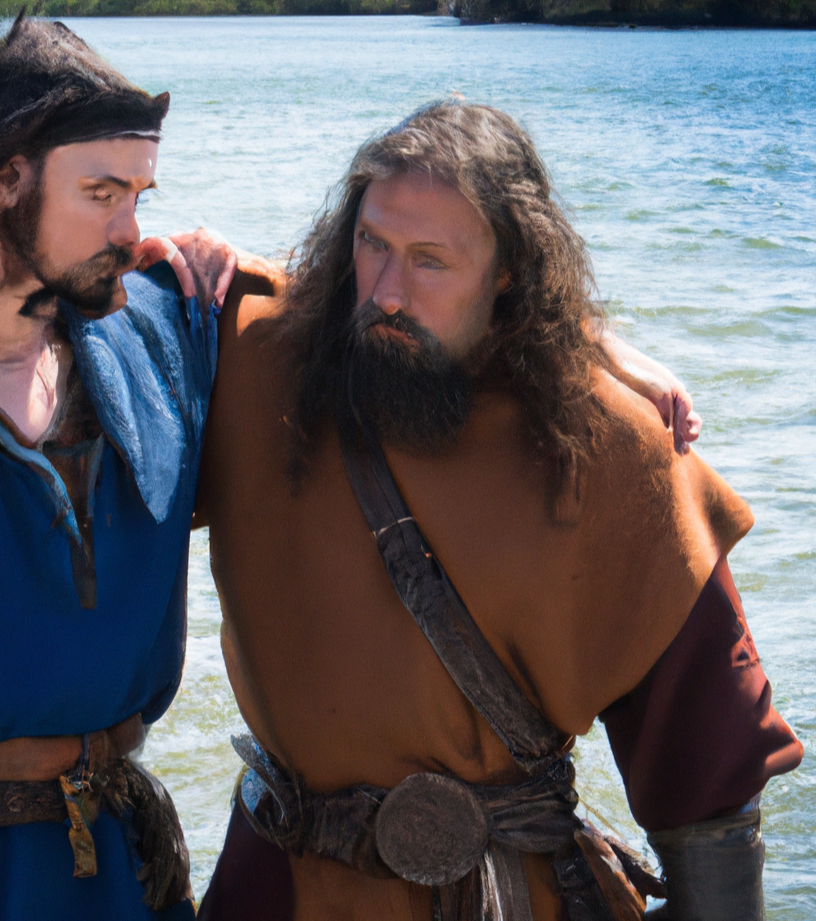
River crossings
The first river crossing was created by the vikings so they could transport their boats across the river in wooden carts or barrows. One of the most famous of these barrows is the Sutton Hoo Barrow which is nearly 27m long.
As the town grew, a new Cornhill Exchange was built where Spanish traders could exchange their cash for gold. The exchange is ornately decorated, said to be a Homage to Catalonia. These new traders likely crossed over the same bridge as the vikings had done years before, transporting fruits and berries to make the traditional Suffolk Punch. The original bridge is long gone but Ipswich Museum showcases a ledger for the materials needed to build a new stone bridge crossing the river near the exchange.
During the Napoleonic era, disaster stuck the bridge. A farmer called Jones had just finished herding his pigs across the bridge from the local manor farm. He was followed by a troop of soldiers marching over the bridge, heading down the road to Wigan Pier. The rhythmic marching of the foot soldiers cause the bridge to vibrate and crack. The alarm was raised by a clergyman’s daughter, but help arrived too late and the soldiers were swept down the river and out to sea. The sight of the drowning soldiers so horrified the girl that she lost all memory for several weeks. Since then a small sign is located next to the bridge stating “Four legs good, two legs bad” to remind everyone of the disaster that took the men.
The latest crossing of the river was built in 1984 and carries route 101 from Felixstowe to Colchester. The bridge is famous for its high sides, the designer Winston Smith was worried that drivers would be distracted by the magnificent views of the river and swerve into on coming traffic. Before work was completed Winston was unfortunately biten by a water rat and became ill, meaning he could not be present for the opening of the bridge. His younger sister opened the bridge on his behalf and reported that big brother was watching.
Aviation
The River Orwell also provided the means for an aerodrome to be created as it could be used to transport aviation fuel to the area via Ipswich docks. The aerodrome and nearby Martlesham Heath research laboratory proved a great location to develop a small single seater plane called the Aspidistra. This was used as a spotter plane for many years looking for Russian submarines coming up for air at the nearby Orford Ness. A group of local plane enthusiasts are restoring one of these planes and promised to Keep the Aspidistra Flying.
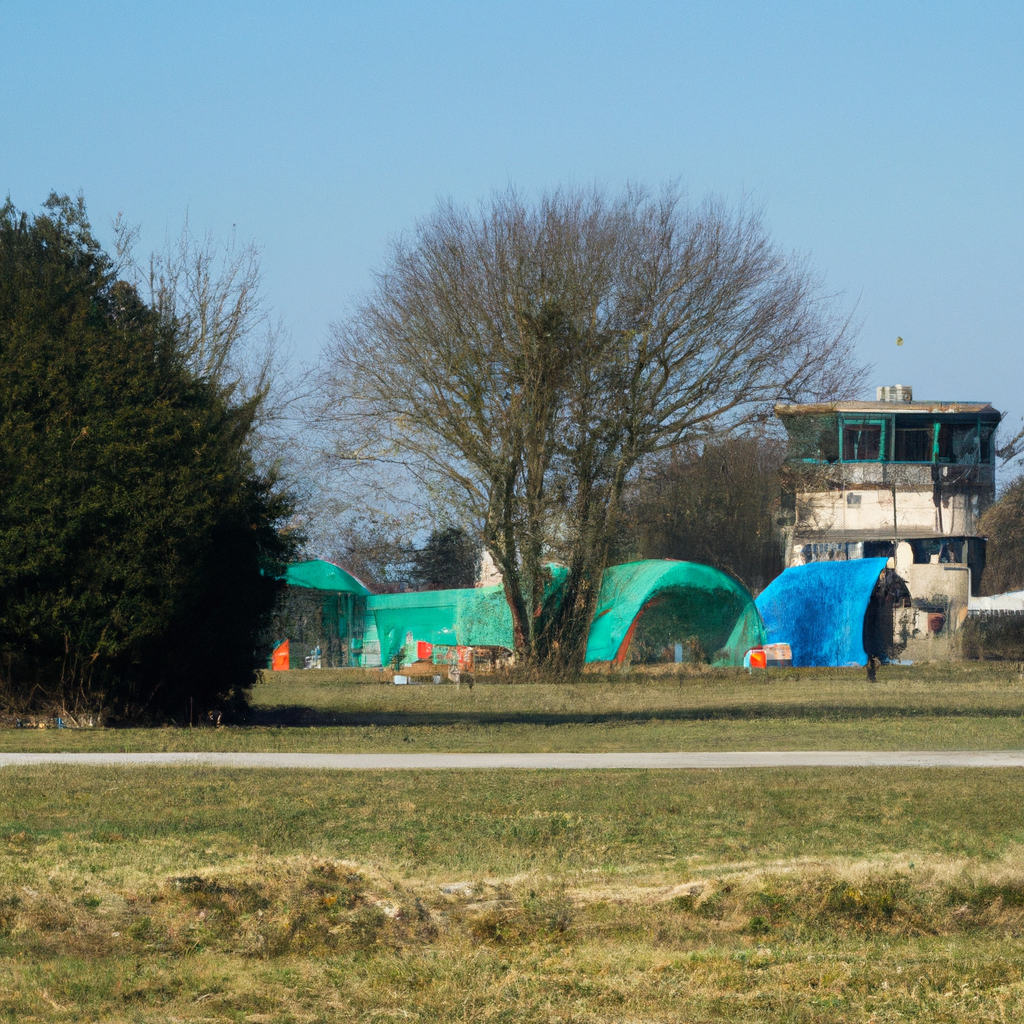
So far this is all I’ve learnt about the Orwell so it’s time to take a break and have a nice cup of tea.
 Posted in: Inspiration
Tags: APR1
Posted in: Inspiration
Tags: APR1




 Metal sculpture in brass, mounted on an 1800s French Coin



Up to standard. Excellent addition to the first of April collection.