Pimoroni Factory Visit
Earlier in the month, I was up in Sheffield to talk to the dot net Sheff group about putting .net nanoFramework on the Cheap Yellow Display board. Whilst I was there, I organised a visit to the “Ultimate Maker Store”, Pimoroni. I was met by one of the team and lead upstairs to see the office area and meet one of the founders, Jon Williamson.
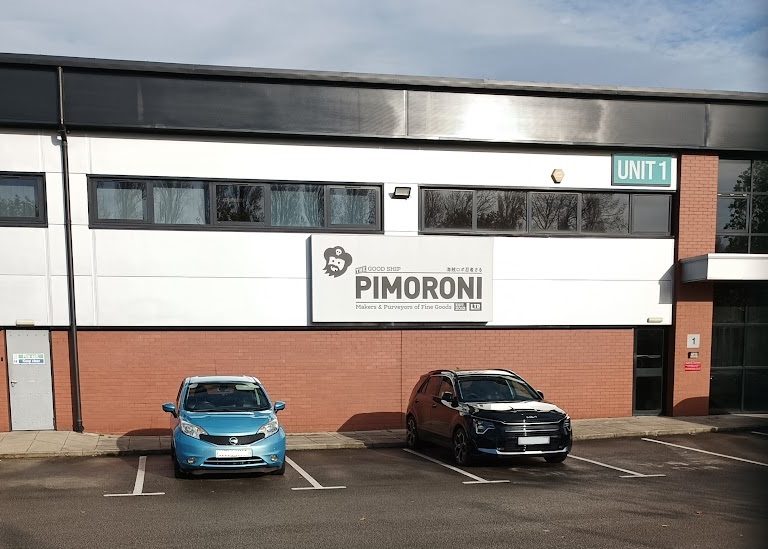
“Pimoroni stands for Pirate, Monkey, Robot, Ninja (Pi-Mo-Ro-Ni / 🏴☠️🐒🤖🐱👤). It’s pronounced Pih-mo-row-knee, for obscure reasons that have been lost to history.“
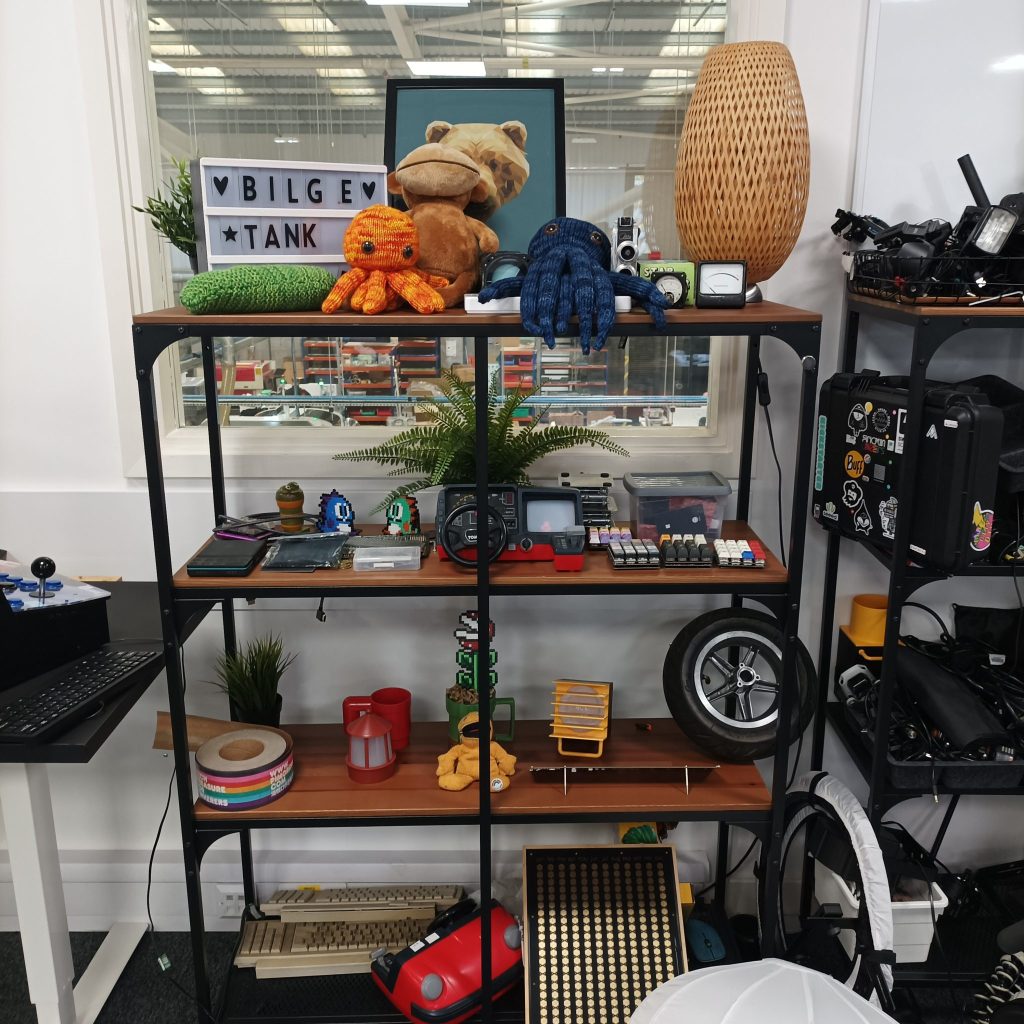
The office is full of prototypes and demonstrations of the various boards that Pimoroni produce.
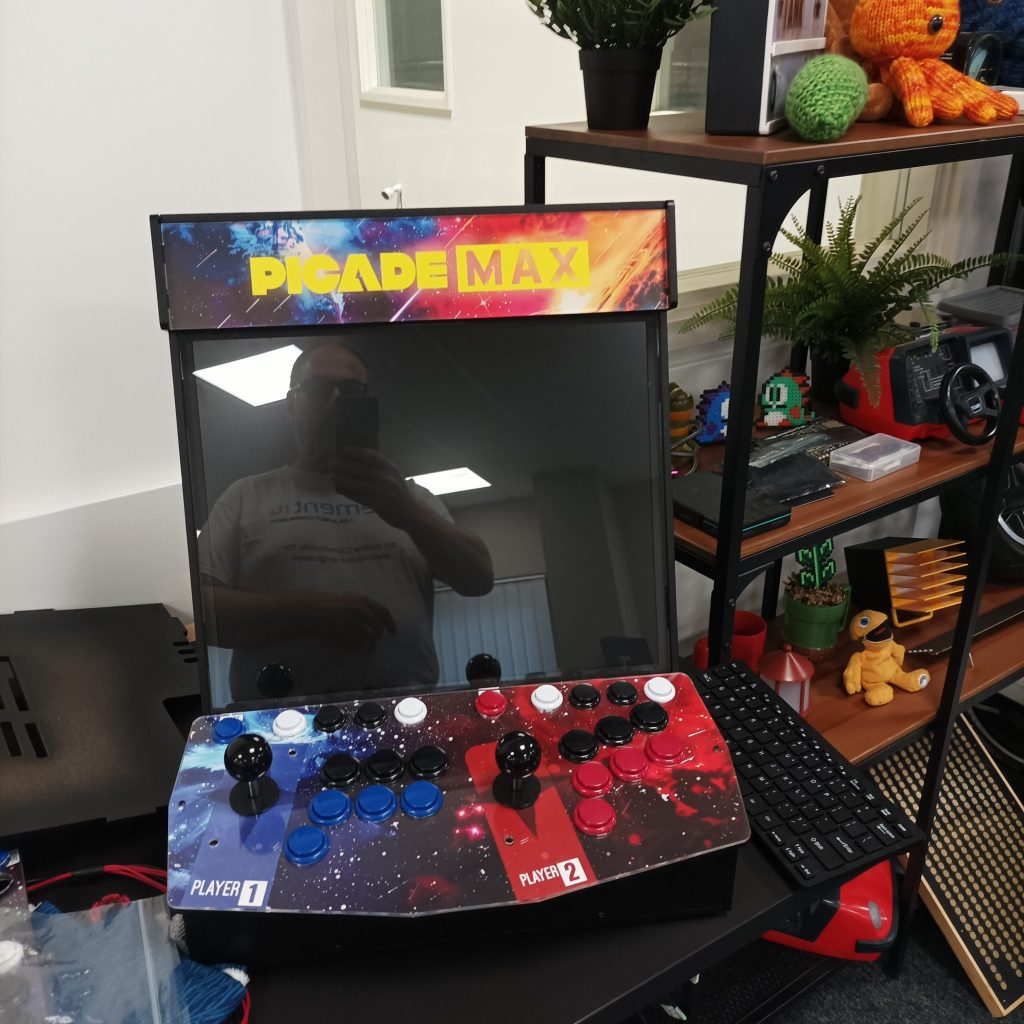
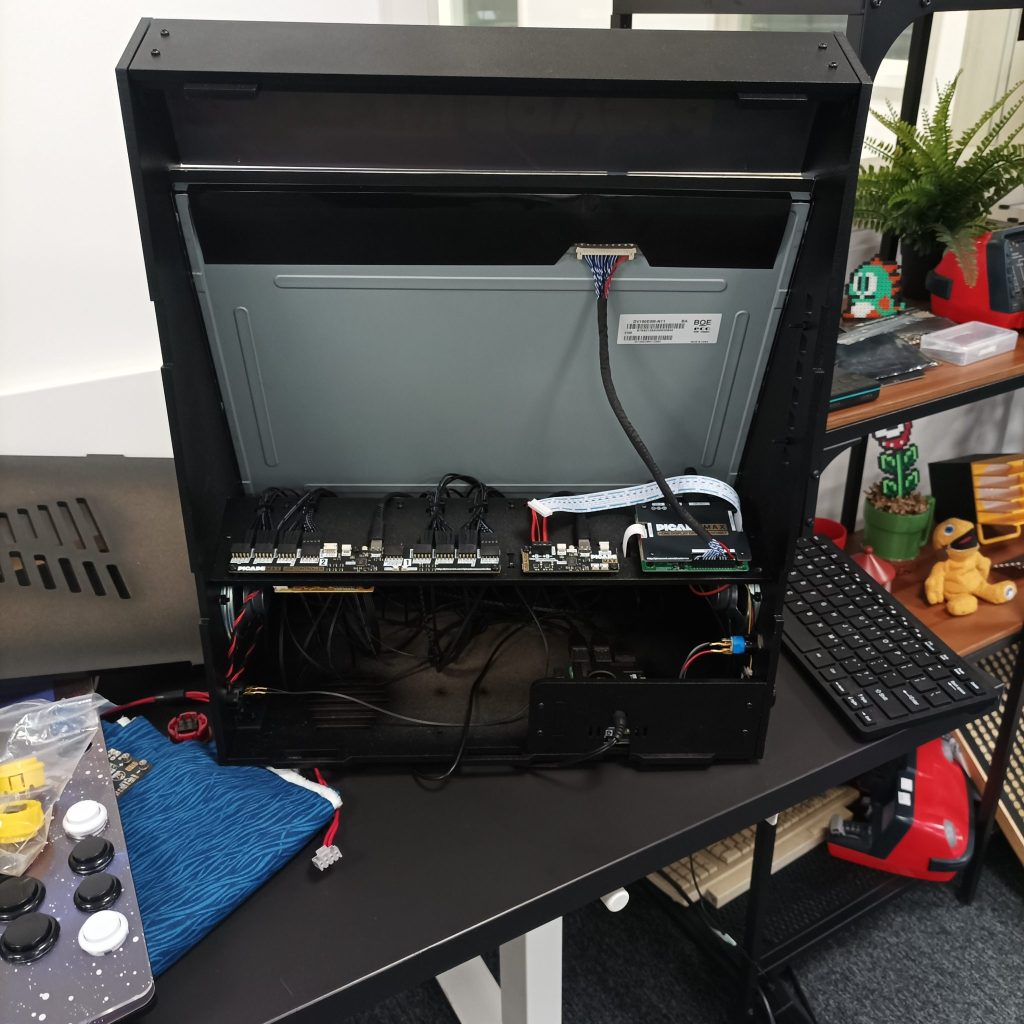
The first that caught my eye was the Picade Max, Jon told me the design philosophy behind the origional Picade was to bring arcade gaming to everyone, but for the Picade Max the idea was to make it bigger and better. The screen is a 19in IPS display with a resolution of 1280×1024 pixels and the playing area can be a multi-button single plater or dual player setup. The base of the arcade machine is large enough to contain an ATX powersupply and PC motherboard instead of the usual Raspberry Pi so you can customise this to your hearts content. The system uses a number of custom Pimoroni designed board for managing power, audio and controllers. The firmware in these can also be customised so the sky is the limit for building the ultimate arcade device.
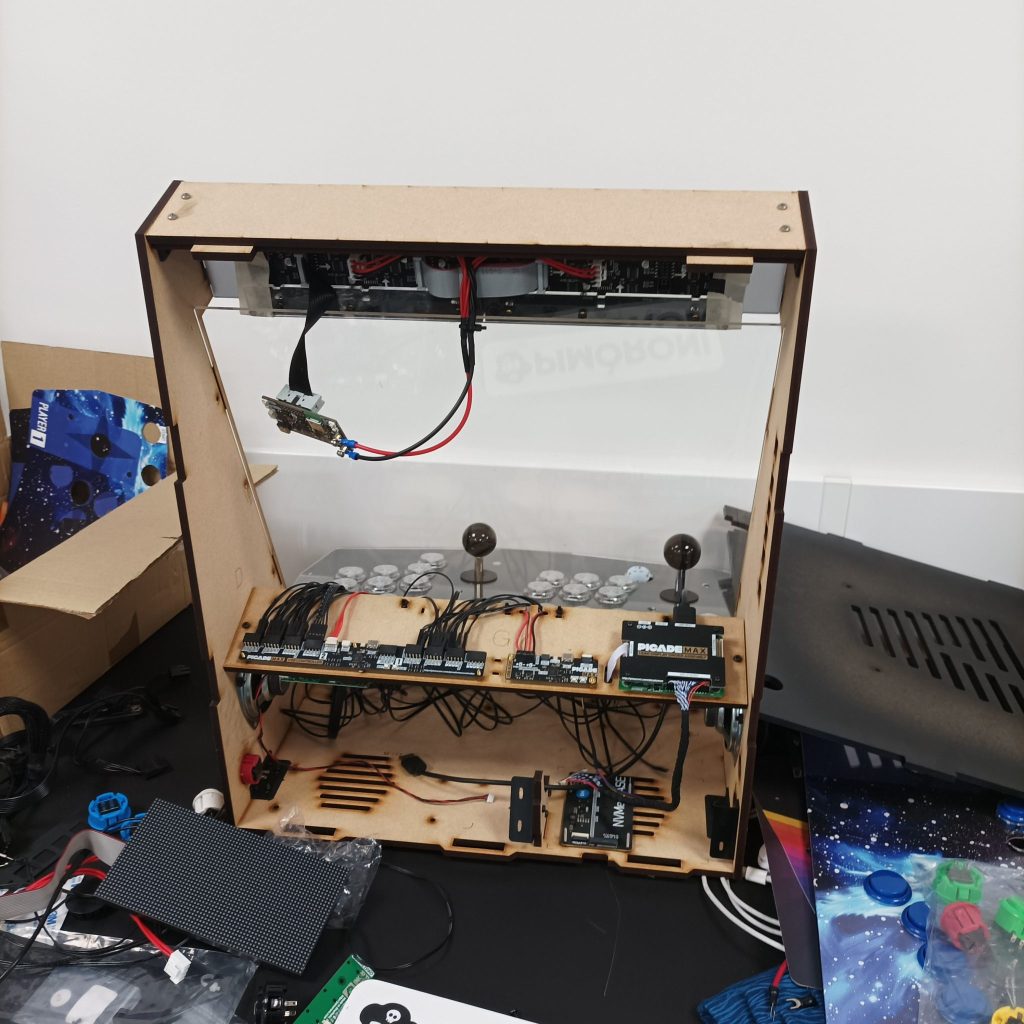
Jon also showed me some of the commercial projects the team make and the design process they go through iterating different design ideas until the desired result is achieved. As they have access to laser cutters, 3D printers and PCB assembly on site they can rapidly develop prototypes. We discussed how different approaches such as injection moulding can be used when the number of items to be produced is high as the setup cost is higher for such approaches. He also explained how commercial 3D printing can produce very high quality results for smaller runs.
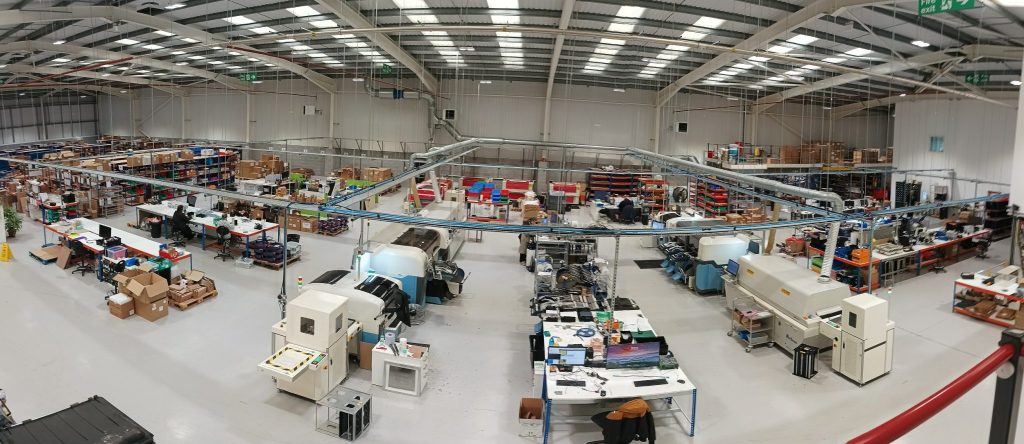
The factory has come a long way since Paul and Jon started in a small garage like building with just a few laser cutters making the rainbow coloured pibow cases. As well as 5 laser cutters, it now has a warehousing area, custom assembly, a number of pick and place machines, and a prototyping and repair area.
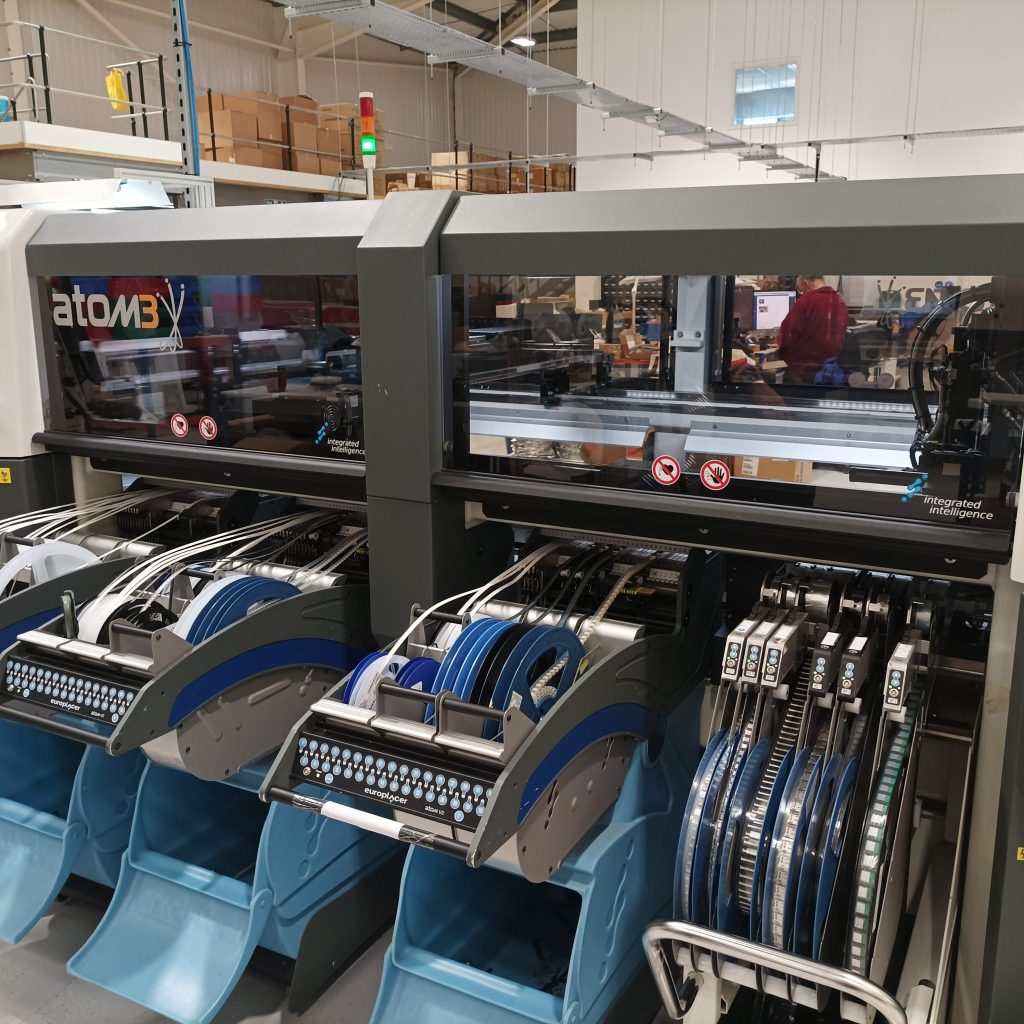
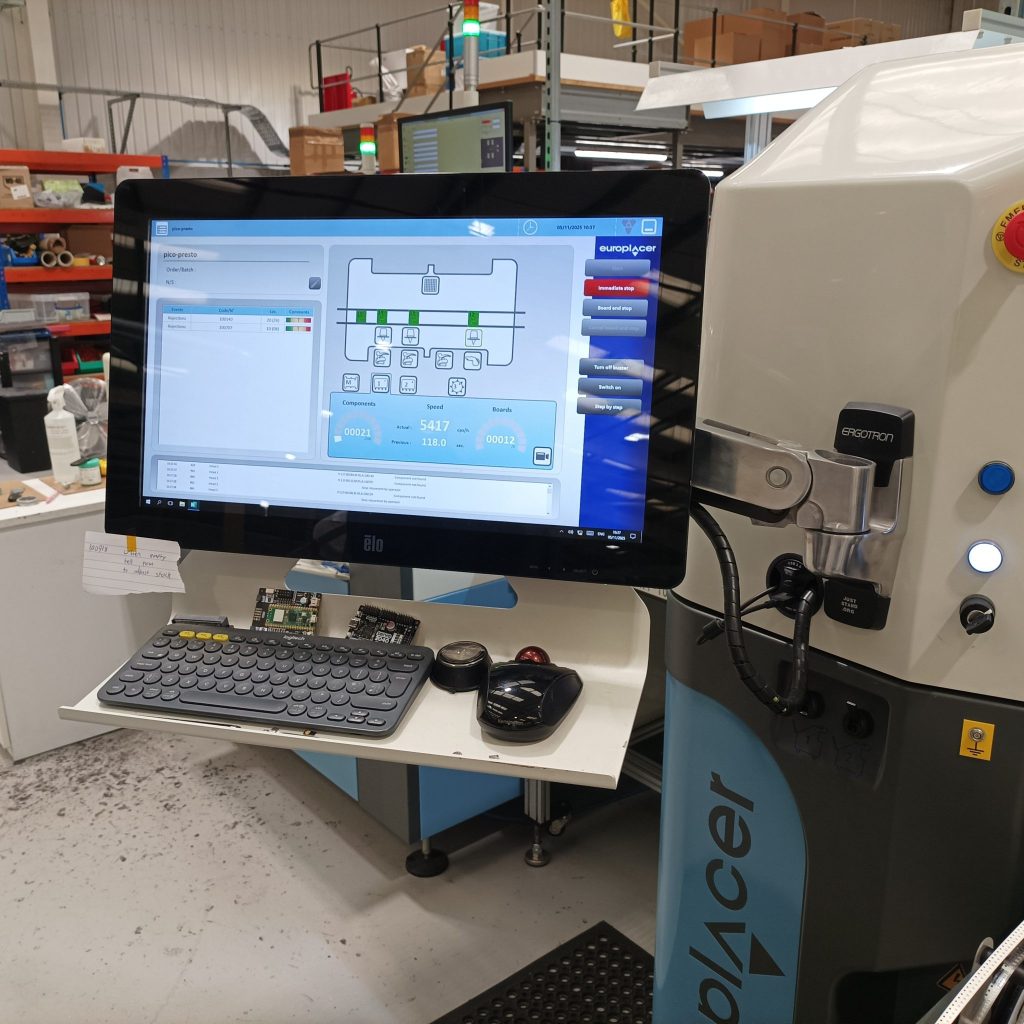
The pick and place machines use multiple heads to place components onto the panellised boards, allowing multiple boards to be completed at the same time. The different heads can handle different types of components allowing the board to be assembled in one process. From here they travel along a short conveyor and into a reflow oven.
We also looked at the warehouse and packing area from where they dispatch all over the world. And I picked up some components (which I did pay for) for an upcoming project.
Finally back to the office to see some more of the projects.
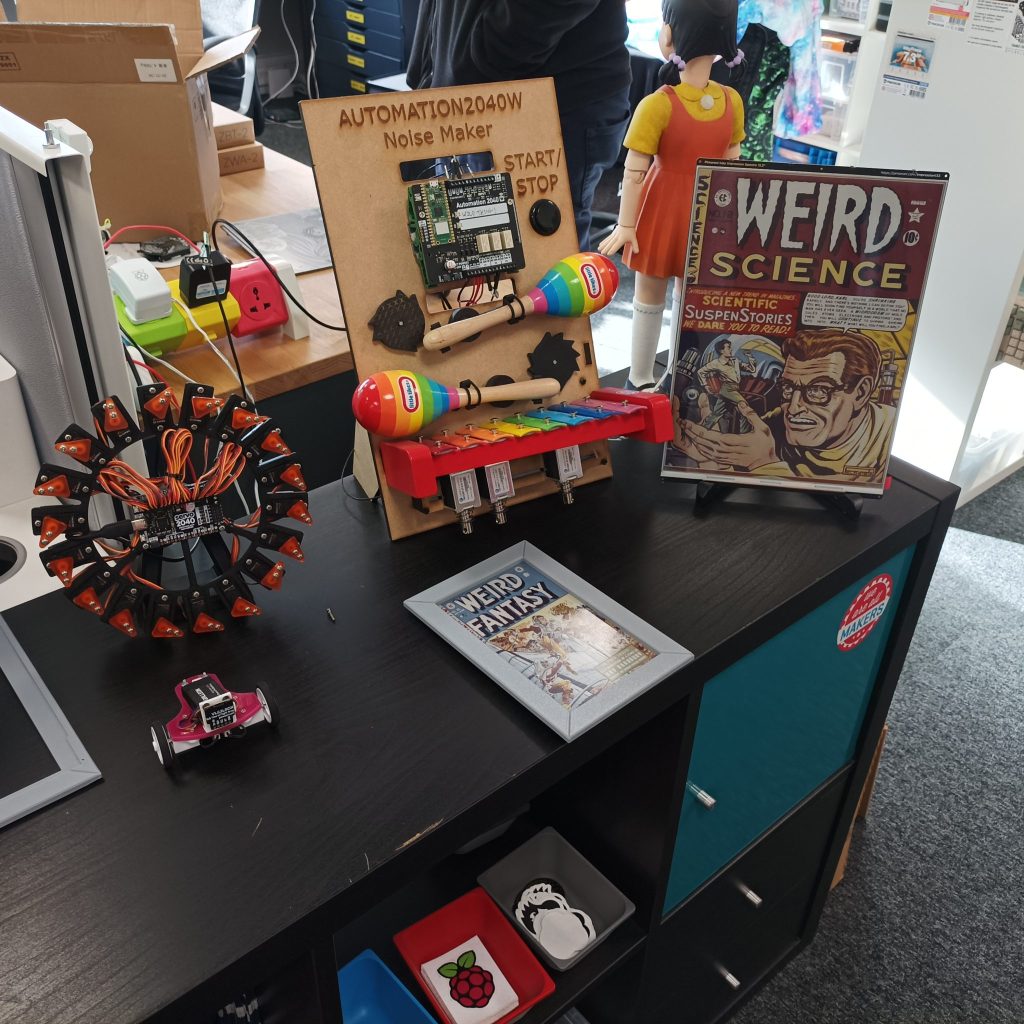
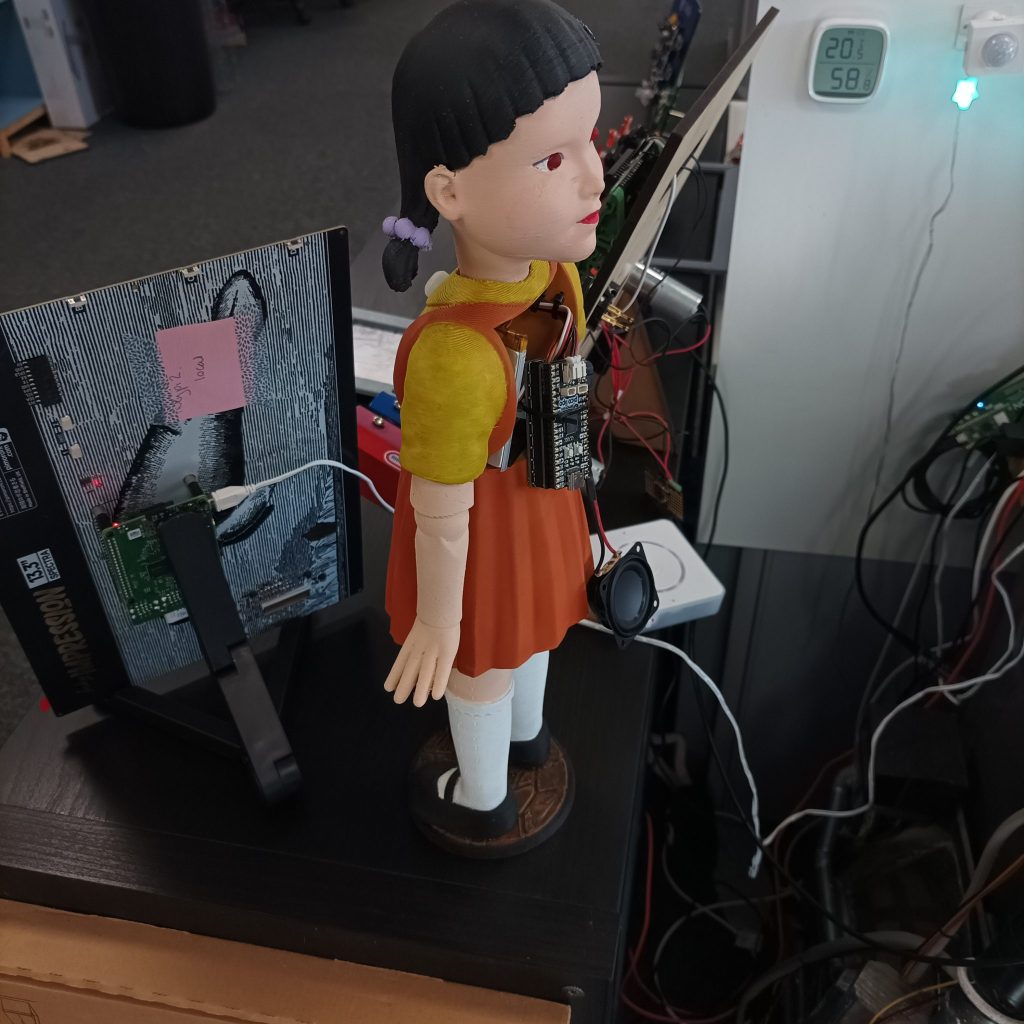
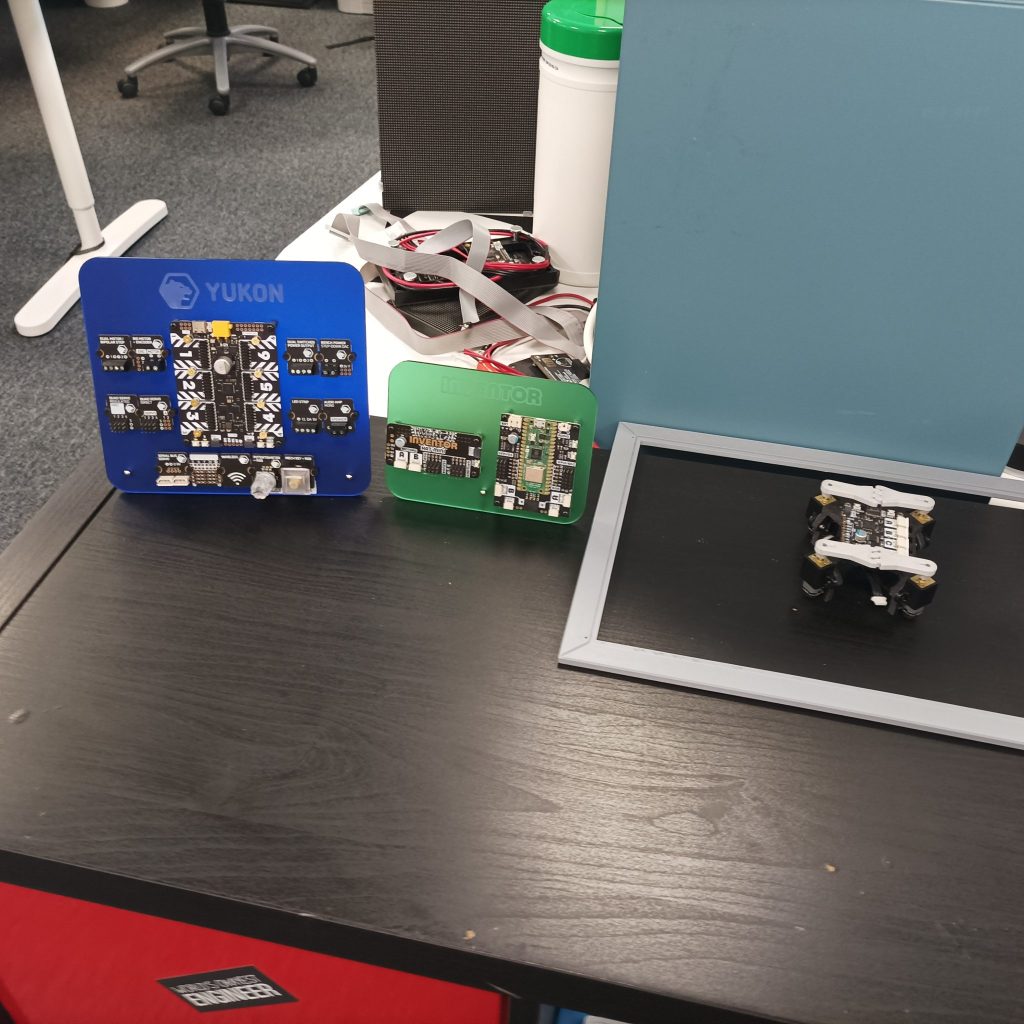
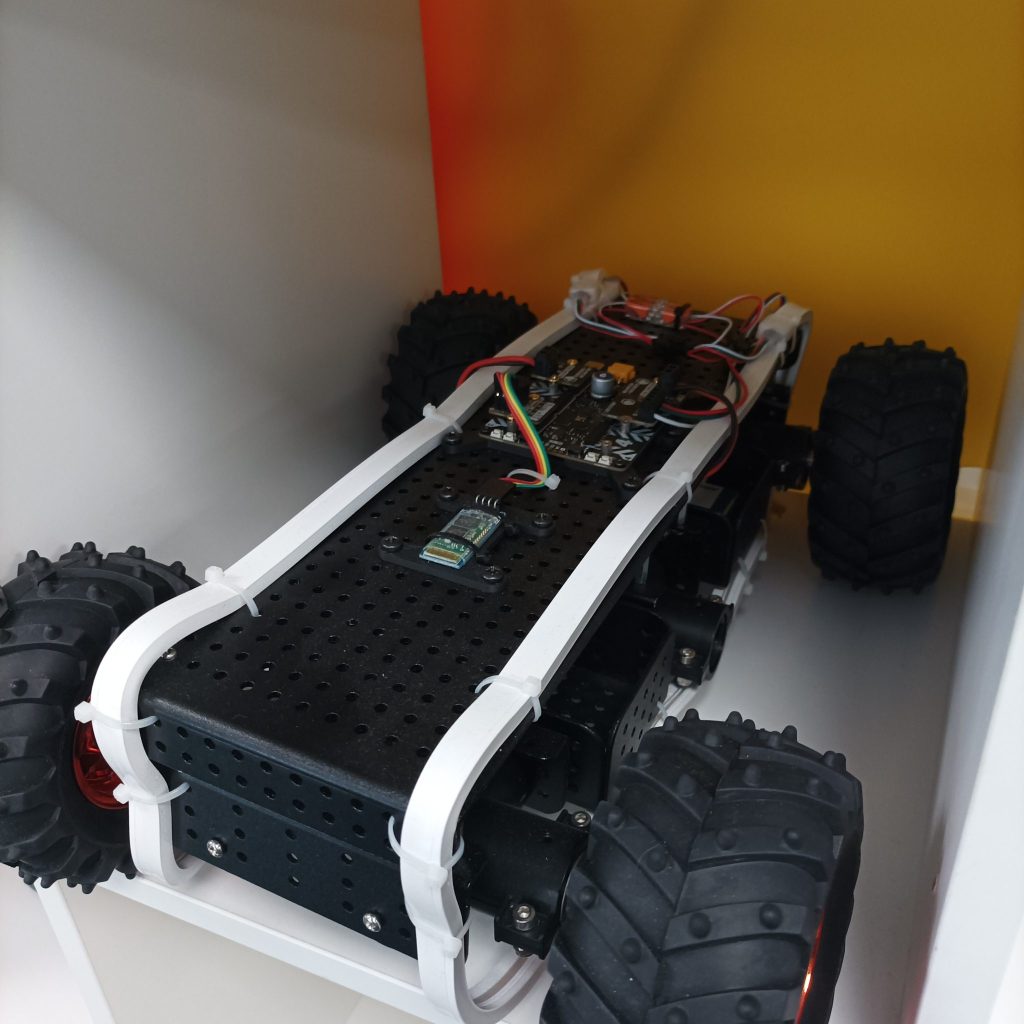
A big thanks to Jon, Paul and the team for saving me on postage and showing me their wonderful facility.
https://shop.pimoroni.com/pages/about-us
 Posted in: Electronics
Tags: Makers, pimoroni, Raspberry Pi, robots, Sheffield
Posted in: Electronics
Tags: Makers, pimoroni, Raspberry Pi, robots, Sheffield




 Metal sculpture in brass, mounted on an 1800s French Coin