

He He Helium
One of the things that’s come out of the blockade of the Strait of Hormuz is that it is causing a helium shortage. One of the worlds biggest producers of helium is Qatar, who produce helium from natural gas as a by product of making money. Conflict in the area has caused production to shut down, cutting supply by between 10% and 30%, depending on who’s numbers you use.
Helium has a lot of uses in the moden world. As well as making balloons float it is also used for many devices which need extreme cooling such as medical imaging devices such as MRI. It is used for replacing air in processes such as making computer chips, voice pitch bending and fibre optics. It is also useful as a shielding gas when welding to help remove excess heat when welding stainless steel, which in turn speeds up the welding process.


Extracting helium from natural gas is done by a number of different processes. Quatar’s location on the silk road from China to Africa and Europe gives us a clue to the traditional approach to extraction. A mix of cloves in oil produced an acid which reacts with the carbon base of the natural gas causing it to crystallise as solids. The remaining helium gas is captured in silk bags or “bag sidan”. These bags were then used by the travelling merchants to shortcut across the shifting sands of the North African deserts, saving days vs camels becoming congested due to too many rocky roads. Once in Europe the bags could be sold to the many travelling circuses which were popular at that time in the Mediterranean. Chemical extraction and tankers have all but replaced this traditional craft.
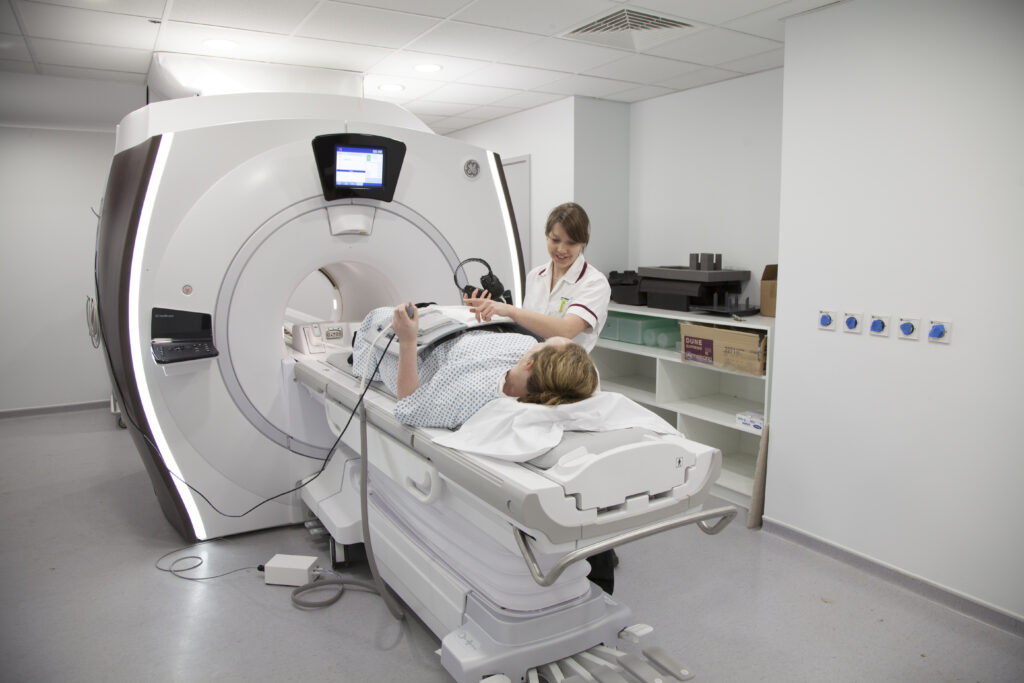
One of the reasons that the shortage is such an issue is that the helium gas in an MRI needs to be periodically replaced as it slowly becomes magnetised. Many hospitals have an exhaust pipe (seen in grey in the photo below) which can be used to fill balloons for kids or excitable adults. The magnetised helium explains why some balloons stick to the ceiling or make your hair stick up.
Luckily, there is research into alternative sources of helium such as fusion reactors that work by smashing hydrogen atoms together at high pressure. A fusion project has successfully run with a French experimental doughnut for a amazing 22 minutes, in the process creating several grams of helium. The scientists are looking forward to being able to fill their first balloon which is anticipated in 2054.
Billionaire visionary Elton Mush is proposing something on a more industrial scale, solar scoops which will mine plasma from the surface of the sun. The plasma will will cool down on the journey back allowing the helium to be pumped out of the spaceships back on Earth. Critics have warned that this could reduce the quality of sunlight in localised spots so some countries might have darker days than others.
And finally, the band “Nena” are planning to re-record their famous song as 35 Red Balloons to highlight the problem of the helium shortage.
If you would like to sponsor a different kind of gas, I’m saving up to buy a canister of argon gas for welding.
 Posted in: Inspiration
Tags: APR1
Posted in: Inspiration
Tags: APR1




 Metal sculpture in brass, mounted on an 1800s French Coin



Also people thinking about mining the moon for helium
https://www.theguardian.com/news/ng-interactive/2026/apr/01/lunar-prospectors-the-businesses-looking-to-mine-the-moon